Courses
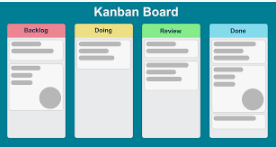
Kanban With AI Specialist (KAS)
🛑 STOP Guessing. START Predicting. The Future of Project Management is Here: Become a Certified Kanban with AI Specialist. The Problem: Your Flow is Broken. You are a seasoned Project Manager, Scrum Master, or Team Lead. You’ve implemented Kanban, you use the boards, and you monitor the WIP limits. Yet, you still struggle with the same critical challenges: Unpredictable Deadlines: You can estimate, but you can’t guarantee delivery dates. Your forecasts are often based on hopeful averages, not hard-data predictions. Invisible Bottlenecks: Your Cumulative Flow Diagram (CFD) shows a problem, but by the time you spot the bottleneck, the project is already delayed. You’re always reacting, never proactively intervening. The WIP Dilemma: You set a Work-In-Progress (WIP) limit of 5. But is 5 the optimal number for today, given the team’s current capacity, priority shifts, and unexpected leave? Traditional Kanban can’t answer that. In the age of hyper-speed delivery, basic Kanban is no longer enough. To truly master your workflow, you need the intelligence to see the future of your flow. You need AI-Enhanced Kanban. The Agitation: The Cost of Traditional Methods What is the true cost of staying stuck in a basic, manual Kanban system? Lost Trust and Credibility: Missed deadlines erode stakeholder confidence. When you can’t offer data-backed delivery forecasts, your leadership is questioned, and high-value projects are put at risk. Burnout and Overload: Manually analyzing hundreds of cards, calculating lead time deviations, and playing “flow detective” is exhausting. Your best people are spending time managing the board, not delivering value. Wasted Capacity: Every hour spent debating priorities, manually updating status reports, or fighting a known bottleneck is an hour your team isn’t innovating. You are leaving speed, efficiency, and profit on the table. The shift is happening now. The world’s most agile organizations are not just using AI; they are integrating it into their fundamental workflow methodologies. If you don’t master this integration, your skills risk becoming obsolete, and your organization will fall behind. The Solution: Kanban with AI Specialist Online Training Enroll in our Certified Kanban with AI Specialist online training and transform your approach from management to Predictive Flow Mastery. This intensive, hands-on certification program teaches you the cutting-edge fusion of Lean principles and Machine Learning—empowering you to move beyond visualization to real-time optimization and forecasting. What You Will Master in This Exclusive Online Course: Module Focus Core Skill You Gain The AI Difference Predictive Flow Confidently forecast project completion with less than 10% error, even with unexpected scope creep. Machine Learning for Forecasting: Learn to train models on your historical cycle time data to generate probabilistic “Monte Carlo” delivery forecasts, replacing guesswork with statistical certainty. Intelligent WIP Management Dynamically adjust your Work-In-Progress limits to maintain optimal throughput and prevent overload. Dynamic Load Balancing AI: Use algorithms to monitor team capacity and automatically recommend the perfect WIP limit for each column, maximizing efficiency and preventing burnout. Real-Time Bottleneck Detection Identify and resolve workflow constraints before they become critical blockers. Anomaly Detection: Implement AI that scans your flow 24/7, flagging unusual cycle time spikes or card clusters that indicate an emerging problem—giving you hours, not days, of lead time to intervene. Generative AI for Flow Documentation Drastically cut down administrative time for reporting and documentation. Automated Reporting: Learn to use GenAI tools to instantly generate executive summaries, status reports, and change log documentation from your Kanban board data, freeing your team for value-add work. Scaling & Enterprise Application Implement AI-Enhanced Kanban across multiple teams, departments, and entire value streams. Portfolio Flow Analytics: Connect data from multiple Kanban systems to get a unified, predictive view of your entire organization’s delivery capability. Why Choose This Certification? ✅ 100% Online & Flexible: Access high-definition video lectures, interactive labs, and downloadable resources from anywhere, fitting around your busy professional schedule. ✅ Led by Industry Pacesetters: Taught by Certified Kanban Coaches who are actively implementing AI and ML models in Fortune 500 companies. ✅ Hands-On Simulation: Work with real-world datasets and common AI tools (like Python libraries and specialized flow software) in our virtual lab environment. You won’t just learn the theory; you’ll build the models. ✅ Globally Recognized Certification: Earn the Kanban with AI Specialist credential, setting you apart in the competitive job market and validating your skills as a true modern Agile leader. Ready to Lead the Next Wave of Agility? Stop simply managing your work. Start mastering your flow. This isn’t just a course; it’s an investment in the next five years of your career. The professional who can predict and optimize flow using intelligent systems is the professional who will be running the most successful departments. Limited-Time Offer: Enroll this week and receive a complimentary AI Toolset Starter Pack including premium templates and a 3-month subscription to our specialized flow analytics dashboard.
₦0.00Free
Certified Diploma in Copywriting (CDC)
Diploma in Copywriting Course Outline Module 1: Introduction to Copywriting What is Copywriting? History and Evolution of Copywriting Types of Copywriting (Direct Response, SEO, Creative, Technical, etc.) Role of a Copywriter in Marketing & Business Module 2: Psychology of Persuasion Consumer Behavior and Buying Triggers The AIDA Model (Attention, Interest, Desire, Action) Storytelling and Emotional Triggers Neuromarketing Basics for Copywriters Module 3: Principles of Effective Copywriting Clarity, Brevity, and Impact Crafting Headlines that Sell Writing Compelling Calls-to-Action (CTA) Tone of Voice and Brand Consistency Module 4: Research for Copywriting Market and Audience Research Understanding Buyer Personas Competitor Analysis and Benchmarking Using Data to Guide Copy Decisions Module 5: Copywriting for Different Platforms Website Copy (Landing Pages, About Pages, Product Pages) Social Media Copywriting Email Marketing Copywriting Ad Copywriting (Google Ads, Facebook Ads, Instagram Ads) Video and Podcast Scripts Sales Pages and Funnels Module 6: SEO Copywriting Basics of SEO and Keywords Writing for Humans and Search Engines On-Page SEO Techniques Content Optimization Tools Module 7: Copywriting for Print Media Print Ads and Billboards Brochures, Flyers, and Catalogs Direct Mail Copywriting Press Releases and Newsletters Module 8: Content Marketing & Blogging Difference Between Content Writing and Copywriting Writing Blog Posts That Convert Long-Form vs. Short-Form Copy Repurposing Content Across Channels Module 9: Copywriting Formulas & Frameworks PAS (Problem – Agitate – Solution) FAB (Features – Advantages – Benefits) 4P’s (Picture – Promise – Proof – Push) Before-After-Bridge Framework Module 10: Editing and Proofreading Common Copywriting Mistakes to Avoid Grammar and Readability Tools Proofreading Techniques Polishing Copy for Maximum Impact Module 11: Copywriting Tools & Technology AI Tools for Copywriting (ChatGPT, Jasper, Copy.ai, etc.) Headline Analyzers and Grammar Checkers Project Management & Collaboration Tools Analytics and Performance Tracking Module 12: Freelancing & Career in Copywriting Building a Copywriting Portfolio Pricing Your Copywriting Services Finding Clients (Freelance Platforms, Cold Outreach, Networking) Building a Personal Brand as a Copywriter Ethical and Legal Issues in Copywriting Module 13: Case Studies & Practical Projects Analyzing High-Converting Ads and Campaigns Writing Copy for Real/Simulated Brands Group Assignments & Peer Reviews Capstone Project: Complete Marketing Campaign Copy
₦0.00Free
Certified Diploma in Business Analysis (CDBA)
Diploma in Business Analysis Course Outline Module 1: Introduction to Business Analysis Definition and Importance of Business Analysis Roles and Responsibilities of a Business Analyst Key Skills and Competencies of a BA Business Analyst vs. Project Manager vs. Product Manager Module 2: Business Analysis Frameworks & Methodologies Introduction to Business Analysis Frameworks (BABOK, IIBA, PMI-PBA) Agile, Waterfall, and Hybrid Approaches Business Process Modeling and Improvement Systems Development Life Cycle (SDLC) Module 3: Stakeholder Management Identifying Stakeholders Stakeholder Engagement & Communication Strategies Handling Conflicts and Negotiations Building Consensus and Managing Expectations Module 4: Requirements Engineering Types of Requirements (Business, Functional, Non-functional, Technical) Techniques for Eliciting Requirements (Interviews, Workshops, Surveys, Observation) Documenting Requirements (BRD, FRD, Use Cases, User Stories) Validating and Managing Requirements Module 5: Business Process Modeling & Improvement Business Process Mapping Techniques (Flowcharts, BPMN, UML) Current State vs. Future State Analysis Identifying Gaps and Process Inefficiencies Process Re-engineering Tools & Techniques Module 6: Data Analysis for Business Analysts Introduction to Data Analysis Working with Spreadsheets for Business Data Basics of SQL for Data Retrieval Using Dashboards and BI Tools for Decision-Making Module 7: Solution Evaluation & Implementation Assessing Proposed Solutions Cost-Benefit Analysis Risk Assessment and Management Change Management & Implementation Support Module 8: Communication & Soft Skills for Business Analysts Effective Communication and Presentation Skills Writing Clear Business Documents Collaboration and Teamwork Critical Thinking and Problem-Solving Module 9: Emerging Trends in Business Analysis Business Analysis in Digital Transformation Role of AI, Big Data, and Automation in BA Cybersecurity Considerations for BAs Future Skills for Business Analysts Capstone Project Real-life Business Case Study Conduct Stakeholder Analysis & Requirement Gathering Document and Model Processes Present Solution Design & Evaluation Assessment Quizzes and Assignments per Module Group Discussions & Case Studies Mid-term and Final Exams Capstone Project Presentation
₦0.00Free
Certified Diploma in Project Management (CDPM)
Diploma in Project Management Course Outline Module 1: Introduction to Project Management Definition and Importance of Project Management Characteristics of Projects vs. Operations Project Life Cycle and Process Groups Roles and Responsibilities of a Project Manager Module 2: Project Environment Internal and External Environments Stakeholders and Governance Organizational Structures (Functional, Matrix, Projectized) Project Selection and Prioritization Module 3: Project Integration Management Developing a Project Charter Creating a Project Management Plan Directing and Managing Project Work Monitoring, Controlling, and Closing Projects Module 4: Project Scope Management Defining Project Scope and Deliverables Work Breakdown Structure (WBS) Scope Creep and Change Control Validation and Control of Scope Module 5: Project Time Management Activity Definition and Sequencing Estimating Activity Durations Critical Path Method (CPM) Scheduling Tools (e.g., Gantt Charts, Network Diagrams) Module 6: Project Cost Management Estimating Costs and Budgeting Earned Value Management (EVM) Cost Control Techniques Financial Analysis in Projects Module 7: Project Quality Management Quality Planning and Standards (ISO, Six Sigma, TQM) Quality Assurance vs. Quality Control Tools and Techniques for Quality Management Continuous Improvement in Projects Module 8: Project Human Resource Management Building a Project Team Leadership Styles in Project Management Conflict Resolution and Motivation Theories Roles and Responsibilities Allocation Module 9: Project Communications Management Communication Planning and Channels Information Distribution and Reporting Stakeholder Engagement and Feedback Effective Use of Project Documentation Module 10: Project Risk Management Identifying and Assessing Risks Qualitative vs. Quantitative Risk Analysis Risk Response Strategies (Avoid, Mitigate, Transfer, Accept) Monitoring and Controlling Risks Module 11: Project Procurement Management Procurement Planning and Contracts Vendor Selection and Negotiation Managing Procurements and Partnerships Contract Closure and Performance Evaluation Module 12: Project Stakeholder Management Identifying Stakeholders Stakeholder Analysis and Mapping Strategies for Engagement and Management Conflict and Expectation Management Module 13: Ethics and Professional Issues in Project Management Ethical Responsibilities of a Project Manager Cultural Diversity and Global Projects Sustainability in Project Management Legal Considerations Module 14: Case Studies and Practical Applications Real-World Project Management Case Studies Simulation Exercises Group Project Work & Presentation Lessons Learned Documentation
₦0.00Free
Certified Customer Relationship Management Professional ( CCRM)
Course Title: Customer Relationship Management (CRM) in E-Business Course Objectives: To understand the principles of CRM and its importance in the digital economy. To explore the role of CRM in enhancing customer loyalty and profitability. To learn about CRM tools, technologies, and strategies in e-business. To analyze real-world applications of CRM in different industries. Course Outline Module 1: Introduction to CRM and E-Business Definition and evolution of CRM Types of CRM (Operational, Analytical, Collaborative) Relationship between CRM and e-business Benefits and challenges of CRM in digital environments Module 2: Understanding Customers in the Digital Age Customer behavior and expectations online Customer lifecycle and touchpoints Personalization and customization in e-business Customer value and lifetime value (CLV) Module 3: CRM Strategies and Models CRM strategies for acquisition, retention, and loyalty The IDIC model (Identify, Differentiate, Interact, Customize) The CRM value chain Segmentation and targeting strategies in e-business Module 4: CRM Technology and Tools CRM software and platforms (e.g., Salesforce, HubSpot, Zoho) Features and functionalities of CRM systems Integrating CRM with ERP, e-commerce, and marketing automation Cloud-based CRM vs. on-premises CRM Module 5: CRM Implementation in E-Business Planning and designing a CRM system Steps for successful CRM adoption Change management and employee training Key challenges and solutions in CRM implementation Module 6: Data-Driven CRM Role of data in CRM Customer data collection and management Big Data and analytics in CRM Privacy, ethics, and security issues in customer data Module 7: Digital Marketing and CRM Integration Role of CRM in digital marketing campaigns Email marketing and automation with CRM Social media CRM (SCRM) Omni-channel customer engagement Module 8: Measuring CRM Success Key performance indicators (KPIs) for CRM Customer satisfaction and loyalty measurement Return on CRM investment (ROI) Case studies on CRM success and failure Module 9: Emerging Trends in CRM and E-Business Artificial Intelligence (AI) in CRM (chatbots, predictive analytics) Mobile CRM Customer experience management (CXM) Future of CRM in a digital-first economModule 10: Case Studies and Project Case studies on CRM in e-commerce, banking, telecom, and retail Group project: Designing a CRM strategy for an e-business Presentations and peer evaluations ✅ Duration: 8–12 weeks (depending on depth) ✅ Assessment: Quizzes, case study analysis, group project, final exam
₦0.00Free