
Courses

Certified Pentester
Certified Pentester Course Outline Module 1: Introduction to Penetration Testing Overview of ethical hacking and penetration testing Legal, ethical, and regulatory considerations Types of penetration tests: black-box, white-box, gray-box Penetration testing lifecycle and methodology Introduction to penetration testing frameworks (OWASP, NIST, PTES) Module 2: Reconnaissance & Information Gathering Active vs passive reconnaissance Open-source intelligence (OSINT) techniques Network scanning and enumeration (Nmap, Netdiscover) Social engineering basics Footprinting and mapping attack surfaces Module 3: Vulnerability Assessment Understanding vulnerabilities and exploits Common vulnerability scanners (Nessus, OpenVAS) CVE, CVSS, and vulnerability reporting Manual vs automated scanning techniques Prioritizing vulnerabilities based on risk Module 4: Network Penetration Testing TCP/IP, routing, and network protocols review Scanning and enumeration techniques Exploiting network services (SMB, FTP, SSH, HTTP) Man-in-the-middle (MITM) attacks Network sniffing and packet analysis (Wireshark) Firewalls, IDS/IPS bypass techniques Module 5: Web Application Penetration Testing Web application architecture review (front-end, back-end, APIs) OWASP Top 10 vulnerabilities (SQLi, XSS, CSRF, etc.) Tools: Burp Suite, Nikto, OWASP ZAP Manual testing vs automated scanning Exploiting and reporting web vulnerabilities Module 6: System & Host Exploitation Windows and Linux security fundamentals Password attacks and privilege escalation Exploit frameworks (Metasploit) Post-exploitation techniques Covering tracks and log analysis Module 7: Wireless & Mobile Security Testing Wi-Fi security protocols and vulnerabilities Cracking Wi-Fi passwords (WPA/WPA2) Bluetooth and IoT security testing Mobile application testing techniques Mobile platform security models (iOS, Android) Module 8: Cloud & API Security Cloud architecture and shared responsibility model Cloud-specific vulnerabilities and threats API security testing and exploitation techniques Tools for cloud and API pentesting Module 9: Reporting & Documentation Writing professional pentest reports Risk scoring and prioritization Remediation recommendations Communication with technical and non-technical stakeholders Module 10: Hands-On Labs & Capstone Project Simulated penetration testing exercises Red team vs blue team scenarios Capture the Flag (CTF) challenges Full penetration test from reconnaissance to reporting Capstone project: end-to-end real-world pen test 💡 Note: Each module should combine theory, tool demonstrations, and hands-on labs to ensure learners gain both conceptual understanding and practical skills.
Free
Certified Internet Research Specialist (CIRS)
Certified Internet Research Specialist (CIRS) Course Outline Module 1: Introduction to Internet Research What Internet Research Is (and What It Is Not) Role of an Internet Research Specialist Types of Online Research (Academic, Business, Market, OSINT) Ethics, Accuracy, and Responsible Research Common Research Pitfalls and Biases Module 2: Search Engine Fundamentals How Search Engines Work Search Engine Algorithms (Basic Understanding) Keyword Research Basics Advanced Google Search Operators Using Alternative Search Engines (Bing, DuckDuckGo, Yandex) Module 3: Advanced Search Techniques Boolean Logic (AND, OR, NOT) Phrase Searching and Wildcards File Type and Site-Specific Searches Date and Time-Based Searches Deep Web vs Surface Web Accessing the Invisible Web Module 4: Evaluating Online Information Assessing Source Credibility Fact-Checking Techniques Identifying Fake News and Misinformation Cross-Verification of Sources Academic vs Non-Academic Sources Bias Detection and Critical Thinking Module 5: Online Databases and Digital Libraries Academic Databases (Google Scholar, JSTOR, PubMed) Government and Institutional Websites Business and Market Research Databases Open Data Portals Using Archives and Historical Records Module 6: Social Media and Web Research Researching on Social Media Platforms Social Media Monitoring Tools Trend Analysis and Sentiment Basics Extracting Insights from Forums and Communities Ethical Use of Social Media Data Module 7: OSINT (Open-Source Intelligence) Basics Introduction to OSINT Public Records and Open Data Sources People, Company, and Domain Research Image and Video Verification Geolocation and Metadata Basics Module 8: Data Collection and Organization Research Planning and Question Framing Note-Taking and Documentation Techniques Using Spreadsheets and Research Tools Bookmarking and Reference Management Data Cleaning Basics Module 9: Data Analysis and Interpretation Qualitative vs Quantitative Data Identifying Patterns and Trends Simple Data Analysis Techniques Turning Raw Data into Insights Avoiding Misinterpretation Module 10: Reporting and Presentation of Findings Structuring Research Reports Writing Clear and Actionable Findings Visualizing Research Data (Charts, Tables, Infographics) Referencing and Citation Styles Executive Summaries and Briefings Module 11: Research Tools and Automation Browser Extensions for Researchers Online Research Tools and Platforms Web Scraping Basics (Conceptual Overview) AI Tools for Research Support (Ethical Use) Productivity and Workflow Automation Module 12: Legal, Ethical, and Privacy Considerations Copyright and Intellectual Property Data Protection and Privacy Laws Consent and Responsible Data Use Avoiding Plagiarism Professional Research Standards
Free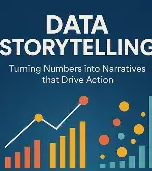
Certified Data Storytelling Specialist
Course Outline: Certified Data Storytelling Specialist (CDSS) Course Description The Certified Data Storytelling Specialist (CDSS) program equips professionals with the skills to transform complex data into clear, compelling, and persuasive stories that drive understanding and decision-making. Participants will learn how to blend data analysis, narrative techniques, and visual design to communicate insights effectively to technical and non-technical audiences.Target Audience Data Analysts & Business Analysts BI & Reporting Professionals Digital Marketers & Product Managers Executives & Decision Makers Researchers & Consultants IT & Cybersecurity Professionals presenting data insights Course Duration 40–60 Hours (Instructor-led or Self-paced) Includes hands-on labs, projects, and final certification assessment Learning Outcomes By the end of this course, participants will be able to: Translate raw data into meaningful insights Build compelling data-driven narratives Design effective charts and dashboards Tailor data stories to different audiences Present insights confidently and persuasively Apply ethical and responsible data storytelling practices Module 1: Foundations of Data Storytelling What is Data Storytelling? Why Data Storytelling Matters in Business & Technology The Three Pillars: Data, Narrative, Visualization Data Storytelling vs Data Reporting Real-world Case Studies Module 2: Understanding Your Audience Identifying Stakeholders and Personas Technical vs Non-Technical Audiences Defining the Core Message Cognitive Biases and Human Perception Framing Insights for Impact Module 3: Data Literacy & Preparation Understanding Data Types and Structures Data Quality, Accuracy, and Integrity Data Cleaning and Transformation Basics Identifying Patterns, Trends, and Outliers Avoiding Misleading Data Interpretations Module 4: Narrative Techniques for Data Story Structures (Beginning, Middle, End) The Data Story Arc Turning Insights into Storylines Using Context, Contrast, and Comparison Crafting Key Takeaways and Headlines Module 5: Data Visualization Principles Visual Perception and Design Fundamentals Choosing the Right Chart for the Message Color Theory and Accessibility Common Visualization Mistakes Designing Clear and Honest Visuals Module 6: Tools for Data Storytelling Excel & Google Sheets for Storytelling Power BI / Tableau Fundamentals Data Storytelling with Python (Intro) Dashboards vs Narratives Integrating Text, Charts, and Annotations Module 7: Storytelling with Dashboards & Reports Designing Story-driven Dashboards Creating Executive Summaries Using Interactivity to Guide Insight Discovery KPI Storytelling Real-time and Operational Data Stories Module 8: Presenting Data Stories Structuring Data Presentations Slide Design for Data Stories Verbal Storytelling Techniques Handling Questions and Objections Executive and Board-level Presentations Module 9: Ethical & Responsible Data Storytelling Avoiding Data Manipulation Transparency and Data Context Bias, Ethics, and Fair Representation Compliance and Governance Considerations Trust in Data Communication Assessment & Certification Quizzes (Module-based) Practical Assignments Data Visualization Exercises Final Capstone Project Certified Data Storytelling Specialist (CDSS) Exam Certification Criteria Minimum 70% overall score Successful completion of capstone project Presentation of a complete data story Tools & Resources Power BI / Tableau Excel / Google Sheets Python (Pandas, Matplotlib – optional) Storyboarding templates Sample datasets and dashboards Career Outcomes Data Storytelling Specialist Business Intelligence Analyst Insights & Strategy Analyst Reporting & Visualization Consultant Data-driven Decision Advisor
Free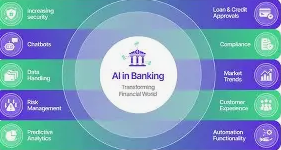
AI in Banking Specialist
AI in Banking – Course Outline Course Description This course explores how Artificial Intelligence (AI) is transforming the banking and financial services industry. Learners will gain practical knowledge of AI technologies, real-world banking use cases, regulatory considerations, and ethical implications, with a focus on improving efficiency, security, customer experience, and decision-making in banks. Target Audience Banking & Financial Services Professionals IT & Digital Transformation Teams Data Analysts & Data Scientists Risk, Compliance & Fraud Analysts Fintech Professionals Business & Operations Managers Course Duration 40–50 Hours (Instructor-led or Self-paced) Includes case studies, hands-on labs, and assessments Learning Outcomes By the end of this course, learners will be able to: Understand core AI concepts and banking applications Identify AI use cases across banking operations Explain how AI improves fraud detection, risk management, and customer service Understand regulatory, ethical, and governance challenges Evaluate AI adoption strategies for banks Module 1: Introduction to AI in Banking Overview of AI, ML, and Deep Learning Evolution of Technology in Banking Why Banks Are Adopting AI AI vs Traditional Banking Systems Global and Regional Banking AI Trends Module 2: AI Technologies Used in Banking Machine Learning Algorithms Natural Language Processing (NLP) Computer Vision Robotic Process Automation (RPA) Generative AI in Financial Services Module 3: Data in Banking Types of Banking Data (Transactional, Customer, Market) Data Quality, Governance, and Privacy Data Warehousing and Lakes Real-time vs Batch Data Processing Data Security and Encryption Basics Module 4: AI-Powered Customer Experience Chatbots and Virtual Assistants Personalized Banking and Recommendations Voice Banking and Conversational AI Customer Sentiment Analysis AI in CRM and Relationship Management Module 5: Fraud Detection and Financial Crime Prevention Types of Banking Fraud Anomaly Detection Techniques AI for Transaction Monitoring AML (Anti-Money Laundering) Systems Case Studies in Fraud Prevention Module 6: Credit Scoring and Risk Management Traditional vs AI-based Credit Scoring Alternative Data in Credit Assessment Predictive Analytics for Loan Defaults Market, Credit, and Operational Risk Stress Testing with AI Models Module 7: AI in Operations and Process Automation Intelligent Automation and RPA AI in Back-office Operations Document Processing and KYC Automation Reducing Errors and Operational Costs Measuring ROI of AI Initiatives Module 8: AI in Trading and Wealth Management Algorithmic Trading Basics Robo-Advisors and Portfolio Management AI in Market Forecasting Risk Optimization Strategies Ethical Concerns in AI Trading Module 9: Cybersecurity and AI in Banking AI for Threat Detection and Prevention Behavioral Analytics for Security Identity and Access Management (IAM) AI in SOC and Incident Response Securing AI Systems Against Attacks Module 10: Ethics, Regulation, and Compliance Explainable AI (XAI) Regulatory Frameworks (GDPR, Basel, PCI-DSS, AI Acts) Bias and Fairness in Banking AI Model Governance and Audits Responsible AI Practices Module 11: Implementing AI in Banks AI Strategy and Roadmap Build vs Buy Decisions Vendor Evaluation Change Management and Skills Gaps AI Project Lifecycle Career Outcomes AI Banking Analyst Digital Transformation Specialist Fraud & Risk Analyst Banking Data Analyst Fintech Product Manager
Free
AI for Small Business Specialist
AI for Small Business – Course Outline Course Description This course introduces small business owners and entrepreneurs to practical, affordable, and easy-to-use AI tools that can improve productivity, marketing, sales, customer service, and decision-making. The focus is on real-world applications of AI without requiring technical or coding knowledge. Target Audience Small Business Owners & Entrepreneurs Startups & Solopreneurs Freelancers & Consultants Retail, Service & Online Business Operators SME Managers and Team Leads Course Duration 20–30 Hours (Beginner-friendly, hands-on) Can be delivered online, in-person, or hybrid Learning Outcomes By the end of this course, learners will be able to: Understand AI in simple, business-friendly terms Identify AI tools suitable for small businesses Automate routine business tasks Improve marketing, sales, and customer support with AI Make better business decisions using AI insights Module 1: Introduction to AI for Small Businesses What Is Artificial Intelligence? (Non-technical) Myths and Misconceptions About AI Why AI Matters for Small Businesses AI vs Hiring More Staff Real-world SME AI Success Stories Module 2: AI Basics Every Business Owner Should Know Types of AI (Automation, Predictive, Generative) How AI Learns (Simple Explanation) AI Tools vs Custom AI Solutions Costs, Benefits, and Limitations Getting Started with AI Safely Module 3: AI for Marketing & Branding AI Content Creation (Posts, Ads, Emails) Social Media Automation AI for Graphic Design and Branding SEO and Website Optimization with AI Campaign Performance Analysis Module 4: AI for Sales & Customer Engagement AI Chatbots for Websites & WhatsApp Lead Generation and Qualification Personalized Customer Messaging AI CRM Tools Upselling and Cross-selling with AI Module 5: AI for Customer Support 24/7 AI Customer Service Handling FAQs and Complaints Voice and Text-Based AI Assistants Escalation to Human Support Measuring Customer Satisfaction Module 6: AI for Operations & Productivity Automating Repetitive Tasks AI Scheduling and Time Management Document Creation and Management Inventory and Order Management AI for Business Workflow Automation Module 7: AI for Finance & Decision-Making AI for Expense Tracking and Budgeting Sales Forecasting and Demand Prediction Simple Financial Insights with AI Fraud and Risk Awareness for SMEs Using AI Reports for Business Decisions Module 8: Affordable AI Tools for Small Businesses Free vs Paid AI Tools No-Code / Low-Code Platforms AI Tools for Marketing, Sales, and Operations Tool Selection Based on Business Type Avoiding Tool Overload Module 9: Ethics, Security & Responsible AI Use Data Privacy for Small Businesses Customer Trust and Transparency Avoiding AI Bias and Misinformation Securing Business Data Legal and Compliance Awareness Module 10: Building an AI Action Plan for Your Business Identifying High-Impact Use Cases Creating a Simple AI Adoption Roadmap Cost–Benefit Analysis Measuring ROI Scaling AI as the Business Grows Module 11: Hands-On Workshops & Case Studies AI for Retail Businesses AI for Service-Based Businesses AI for Online & E-commerce Businesses Local Business Use Cases Lessons from Successful SMEs Module 12: Capstone Project Design an AI Strategy for a Small Business Tool Selection and Workflow Design Implementation Plan Final Presentation Feedback and Improvement Assessment & Certification Short Quizzes Practical Assignments Tool-Based Exercises Final Capstone Project Certificate in AI for Small Business Tools Covered (Beginner-Friendly) AI Chatbots & Assistants Marketing & Content AI Tools CRM & Sales Automation Tools No-Code Automation Platforms Analytics & Reporting Tools Benefits to Learners Save time and reduce costs Compete with larger businesses Improve customer experience Make data-driven decisions Future-proof their business
Free
Certified AI Workflow Specialist
AI Workflow Specialist – Course Outline Course Description The AI Workflow Specialist course trains professionals to design, automate, optimize, and manage end-to-end workflows using Artificial Intelligence tools and platforms. Learners will gain hands-on skills in integrating AI models, automation tools, data pipelines, and business processes to improve efficiency, scalability, and decision-making across organizations. Target Audience Automation & Operations Professionals Business Analysts & Process Managers IT & Digital Transformation Teams Data & AI Enthusiasts Product & Project Managers Entrepreneurs & Consultants Course Duration 40–60 Hours (Instructor-led or Self-paced) Includes hands-on labs, workflow projects, and assessments Learning Outcomes By the end of this course, learners will be able to: Design AI-powered workflows end-to-end Select appropriate AI tools for business processes Automate repetitive tasks using AI and RPA Integrate APIs, data sources, and AI models Monitor, optimize, and govern AI workflows Module 1: Introduction to AI Workflows What Is an AI Workflow? AI Workflows vs Traditional Automation Role of an AI Workflow Specialist Workflow Components: Data, Models, Triggers, Actions Industry Use Cases Module 2: Fundamentals of AI & Automation Overview of AI, ML, and Generative AI NLP, Computer Vision, and Predictive Models Rule-based Automation vs Intelligent Automation Introduction to RPA and Orchestration AI Workflow Architecture Module 3: Process Analysis & Workflow Design Business Process Mapping (BPMN Basics) Identifying Automation Opportunities Defining Inputs, Outputs, and KPIs Workflow Design Patterns Error Handling and Exception Management Module 4: Data Pipelines for AI Workflows Data Sources (APIs, Databases, Files) Data Ingestion and Transformation Structured vs Unstructured Data Data Validation and Quality Checks Real-time vs Batch Workflows Module 5: AI Model Integration Using Pre-trained Models vs Custom Models API-based AI Integration Prompt Engineering for Workflow Automation Model Versioning and Deployment Basics Handling Model Failures and Drift Module 6: Tools & Platforms for AI Workflows No-Code / Low-Code Automation Tools Workflow Orchestration Platforms AI Agents and Multi-Agent Systems Cloud AI Services (AWS, Azure, GCP) Open-source Workflow Tools Module 7: Generative AI in Workflows Automating Content Creation Document Processing & Summarization AI-powered Decision Support Chatbots and Virtual Assistants Human-in-the-Loop Workflows Module 8: AI Workflow Automation & RPA Intelligent RPA Concepts AI + RPA Integration Automating Business Operations Scheduling, Triggers, and Event-driven Workflows Scaling Automation Across Teams Module 9: Monitoring, Optimization & Performance Workflow Observability and Logging Measuring Efficiency and ROI Bottleneck Identification Continuous Improvement Strategies A/B Testing AI Workflow Variations Module 10: Security, Ethics & Governance Data Privacy and Access Control Securing AI APIs and Integrations Bias and Responsible AI Compliance and Auditability AI Workflow Risk Management Module 11: Deployment & Change Management Workflow Deployment Strategies User Adoption and Training Documentation and Knowledge Transfer Managing Updates and Failures Collaboration Between Business & Tech Teams Module 12: Capstone Project (Applied AI Workflow) Identify a Real-world Workflow Problem Design and Implement an AI-powered Workflow Testing and Optimization Final Presentation and Defense Peer and Instructor Evaluation Assessment & Certification Module Quizzes Practical Labs Workflow Design Assignments Final Capstone Project Certified AI Workflow Specialist (CAIWS) Tools & Technologies Covered Automation Platforms (Zapier, Make, Power Automate) AI APIs & LLM Platforms RPA Tools (UiPath, Automation Anywhere – overview) Python (Intro for workflow scripting) API & Webhook Integrations Career Outcomes AI Workflow Specialist Automation Engineer (AI-focused) AI Operations Analyst Business Process Automation Consultant AI Product & Operations Manager
Free
Debt Burden Management
Debt Burden Management Course Outline 1. Introduction to Debt and Debt Burden What is debt? Definitions & concepts Debt burden: meaning, causes, and implications History and role of debt in personal and economic systems Types of debt (secured, unsecured, public, private) How debt becomes burdensome Context: Basic principles to ground learners before deeper content. Overview of debt instruments (bonds, loans, bills, notes, credit facilities) Characteristics: maturity, interest, coupon, principal Risks associated with debt instruments Money market vs capital market instruments Secondary markets and their impact Focus on how different instruments affect debt burden and sustainability. 3. Debt Assessment & Analysis How to measure debt (ratios, service capacity, coverage ratios) Identifying and evaluating levels of debt Analysing debt trends and future risk Tools for tracking and reporting debt levels This is critical for understanding whether debt burden is manageable or excessive. 4. Budgeting and Financial Planning Using budgets to manage and reduce debt Linking spending and repayment strategies Cashflow planning & forecasting Debt-to-income considerations Empowers participants to plan finances realistically to avoid burden escalation. 5. Repayment Strategies & Techniques Snowball vs Avalanche methods Setting repayment goals and timelines Prioritising debts sustainably Negotiating with creditors and restructuring terms Learners get hands-on tools to reduce high debt burdens. 6. Credit Relationships & Management Understanding credit terms & conditions Communication & negotiation with lenders Building positive credit history Avoiding punitive debt practices Focuses on managing relationships to minimize costs of borrowing. 7. Legal, Regulatory & Risk Frameworks Laws affecting debt repayment and collection Rights and protections for debtors Debt burden and legal compliance Regulatory frameworks for public and private debt Equips learners to operate within legal boundaries and avoid risks. For government, finance professionals, or corporate practitioners: Public debt management principles Fiscal policy, budget deficits, and debt sustainability Medium-Term Debt Management Strategy (MTDS) Public sector borrowing frameworks & strategies Sovereign debt burdens and indicators Useful for policy makers or financial officers dealing with large-scale debt. 9. Behavioural & Habit Change Practices Mindset shift for debt reduction Behavioural finance basics Avoiding harmful borrowing habits Sustainable money habits after debt reduction Particularly helpful for personal financial debt management courses. 10. Practical Case Studies & Assessment Real-world debt situations (personal and organisational) Interactive problem-solving workshops Group projects on debt management strategies Final assessment or certification evaluation Applies what participants learned in real scenarios. 🎯 Typical Learning Outcomes By the end of the course, participants should be able to: Define and explain the concept of debt burden and its causes Analyse debt levels and their implications Develop effective debt repayment plans Use budgeting tools to manage debt sustainably Communicate and negotiate with creditors Understand legal, regulatory, and risk factors related to debt Apply strategic decision-making to minimize future debt burden
Free
Biblical Financial Wisdom
Biblical Financial Wisdom: Full Course Outline Module 1: Biblical Foundations of Wealth and Stewardship Topics Covered: Understanding God’s purpose for money Biblical definitions of wealth, prosperity, and stewardship Parables and scriptures on money management (e.g., Parable of Talents, Luke 16:10-12) Serving God vs. serving mammon Learning Outcomes: Articulate biblical principles of financial stewardship Differentiate between worldly wealth and godly provision Apply scripture to personal and household financial decisions Module 2: Understanding Income, Expenses, and Budgeting Topics Covered: Sources of income: labor, gifts, investments, and divine provision Tracking expenses and distinguishing needs vs. wants Creating a biblical budget: tithes, offerings, savings, and living expenses Avoiding extravagance and mismanagement Learning Outcomes: Prepare a personal or household budget guided by biblical principles Apply stewardship to everyday income and expenses Understand the spiritual implications of financial priorities Module 3: Debt and Borrowing in a Biblical Context Topics Covered: Understanding debt in the Bible (Proverbs 22:7) Recognizing harmful vs. manageable debt Principles for borrowing, repayment, and avoiding enslavement to debt Debt reduction strategies: biblical vs. modern approaches Learning Outcomes: Evaluate personal and business debt using biblical wisdom Apply debt reduction strategies aligned with scripture Avoid excessive or spiritually harmful borrowing Module 4: Saving, Investing, and Financial Growth Topics Covered: The biblical view of saving and prudent planning (e.g., Joseph storing grain, Proverbs 21:20) Investment principles: risk management, diversification, and wise stewardship Aligning investments with godly values Building emergency funds and long-term security Learning Outcomes: Demonstrate planning and saving for future needs Make investment decisions guided by scripture Understand the spiritual significance of financial growth Module 5: Giving, Tithing, and Generosity Topics Covered: Biblical foundations of giving (Malachi 3:10, 2 Corinthians 9:6-7) Tithes vs. offerings vs. sacrificial giving The principle of sowing and reaping Generosity as a tool for financial and spiritual blessings Learning Outcomes: Apply biblical giving principles in daily life Understand the spiritual and practical benefits of generosity Balance giving with personal financial responsibility Module 6: Credit, Lending, and Borrowing Relationships Topics Covered: Lending and borrowing principles in the Bible (Romans 13:8, Luke 6:34-35) Understanding interest, usury, and ethical credit Building healthy credit relationships Negotiation and communication with lenders Learning Outcomes: Manage credit relationships ethically and wisely Avoid predatory borrowing practices Use credit tools to support stewardship without incurring spiritual or financial harm Module 7: Financial Planning and Risk Management Topics Covered: Planning for future financial needs: education, retirement, emergencies Risk identification: legal, economic, personal Biblical principles for protection: insurance, wise counsel, and preparedness Avoiding financial pitfalls and spiritual compromise Learning Outcomes: Prepare a financial plan aligned with biblical wisdom Understand tools for mitigating financial risks Make decisions that honor God while safeguarding assets Module 8: Behavioural and Habitual Financial Practices Topics Covered: Spiritual mindset for financial discipline Avoiding impulsive spending and debt traps Cultivating healthy financial habits: saving, giving, investing Accountability, mentorship, and stewardship communities Learning Outcomes: Develop sustainable financial habits guided by scripture Identify behaviors that lead to financial bondage Apply daily practices that support long-term financial freedom Module 9: Case Studies and Practical Applications Topics Covered: Personal finance case studies: budgeting, debt reduction, giving Small business and organizational financial examples Group workshops on applying biblical financial wisdom Role-playing, problem-solving, and scenario exercises Learning Outcomes: Apply knowledge to real-life financial situations Make decisions that reflect both practical and biblical wisdom Collaborate to develop actionable financial strategies Module 10: Assessment and Certification Topics Covered: Quizzes: scenario-based and scripture-integrated questions Practical exercises: budgeting, debt management, giving plans Group presentations of financial action plans Final reflection: aligning life goals with biblical financial stewardship Learning Outcomes: Demonstrate mastery of biblical financial principles Integrate theory and practice in personal or business finances Receive certification of completion (if applicable) Course Features / Methodology Scripture-driven teaching Interactive workshops and discussions Scenario-based practical exercises Personal financial action plans Group collaboration and peer learning Optional quizzes and assessments for certification
Free